

Whoa!
I opened Rabby one morning and felt oddly relieved. The UI was clean, and that matters more than you think when you’re juggling eight networks. My instinct said this would be another flashy wallet with little substance, but I was wrong—at least at first. Initially I thought it was just a prettier MetaMask, but then I noticed the multi-chain flows and gas insights were actually useful, not just window dressing. On one hand it feels lightweight; on the other hand it packs features that solve real headaches freelancers and traders have every day.
Seriously?
Yeah, seriously. Rabby handles chain switching in a way that doesn’t make you curse under your breath. There’s a small, fast onboarding too, which is surprisingly rare for extensions that support many networks. My first impression was simple: fewer clicks, less friction, more confidence (which, honest, is half the battle in DeFi). I’ll be honest—this part bugs me when other wallets gloss over UX flow, but Rabby didn’t.
Here’s the thing.
Security is the headline, though, because multi-chain access multiplies risk. Rabby isolates dapps more strictly than many competitors and warns you when allowances get out of hand, which is good and necessary. Initially I thought pop-up warnings would be annoying, but actually, they stopped me from approving a weird token transfer once—seriously saved my butt. That said, no extension is invincible; always pair a good extension with hardware when you’re moving big sums. On a practical level, the granular permission controls are a relief (oh, and by the way—I like that they show when a site tries to read your addresses).
Hmm…
Performance matters when you hop between chains during a market melt, and Rabby was snappy. The gas fee estimator feels credible, not like some wild guess from an influencer’s tweet. Something felt off about a couple networks early on, but a quick refresh fixed it—so network reliability is more about RPC choices than the wallet itself. I’m not 100% sure which RPCs come default, and that uncertainty is a small gripe, but it’s solvable by power users who know where to tweak. For casual users, the default experience is smooth enough that you won’t notice the plumbing.
My instinct said “be cautious.”
On one hand you want ease; on the other hand you need control, and Rabby tries to thread that needle. The transaction simulation features (yes, they simulate contract calls) gave me a clearer sense of what a swap or bridging step would actually do, which is rare for extensions. Actually, wait—let me rephrase that: they show me probable outcomes and warnings, not a perfect crystal ball, but it’s a big step forward. I’m biased toward wallets that teach you by showing concrete context, and Rabby does a decent job at that without being preachy. There are imperfections though—some notifications come too late or are buried in menus—but overall the tradeoff favors clarity over clutter.
Okay—so check this out—
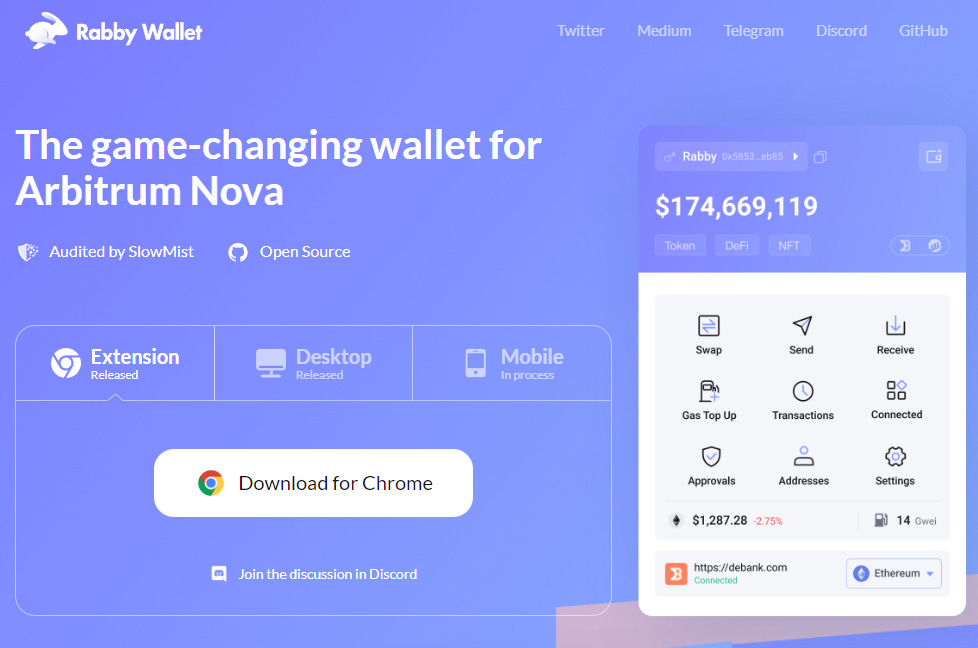
I recommended Rabby to a friend in San Francisco who does cross-chain NFTs and he thanked me, which was gratifying. He liked the way approvals are grouped and that you can batch-revoke approvals faster than in most other UIs. If you want to try it for yourself, use this link for a straightforward install: rabby wallet download. I’m biased, but that single link points to a simple page where you can pick your browser and get started without fuss. Remember: always verify the extension store listing and keep your seed phrase offline and never—ever—type it into a site.
Practical tips from someone who tests wallets for a living
Whoa!
First, use a hardware wallet with Rabby when possible; the extension integrates well with physical devices and you should treat big funds like you would a prized guitar—locked in a case. Second, review token approvals monthly and revoke those you no longer need, because approvals accumulate silently and that is dangerous. Third, customize RPC endpoints if you need lower latency or privacy, though that requires a little comfort with node URLs and endpoints. Lastly, enable the transaction simulation feature and read the warnings; they are not perfect, but they are better than flying blind.
FAQ
Is Rabby actually safer than MetaMask?
Whoa!
On average, Rabby’s isolation and permission controls reduce some common vectors of risk, but safety is layered: your behavior, browser hygiene, and whether you use hardware signing all matter. Initially I thought any extension could be roughly equal, but seeing Rabby’s warnings and allowance management changed my view—it’s more defensive by default. That doesn’t mean it’s invulnerable; treat it as a tool that raises the floor on security, not a silver bullet. I’m not 100% sure how often they push critical security updates, so keep the extension current and read release notes when you can.
Can Rabby handle all the chains I need?
Hmm…
Rabby covers the big and mid-size chains well—Ethereum, BSC, Polygon, Arbitrum, Optimism, and several rollups—and you can add custom networks if needed. It isn’t infinite, and some exotic L2s or testnets might need manual setup; that’s the tradeoff with multi-chain wallets that favor reliability. On balance, if you move between mainnets often you’ll find the experience much better than juggling separate wallets. Something to watch: community-supported network lists can be out of date, so sometimes you’ll tweak RPCs yourself.